
Donec efficitur, ligula ut lacinia
viverra, lorem lacus.
Donec efficitur, ligula ut lacinia
viverra, lorem lacus.

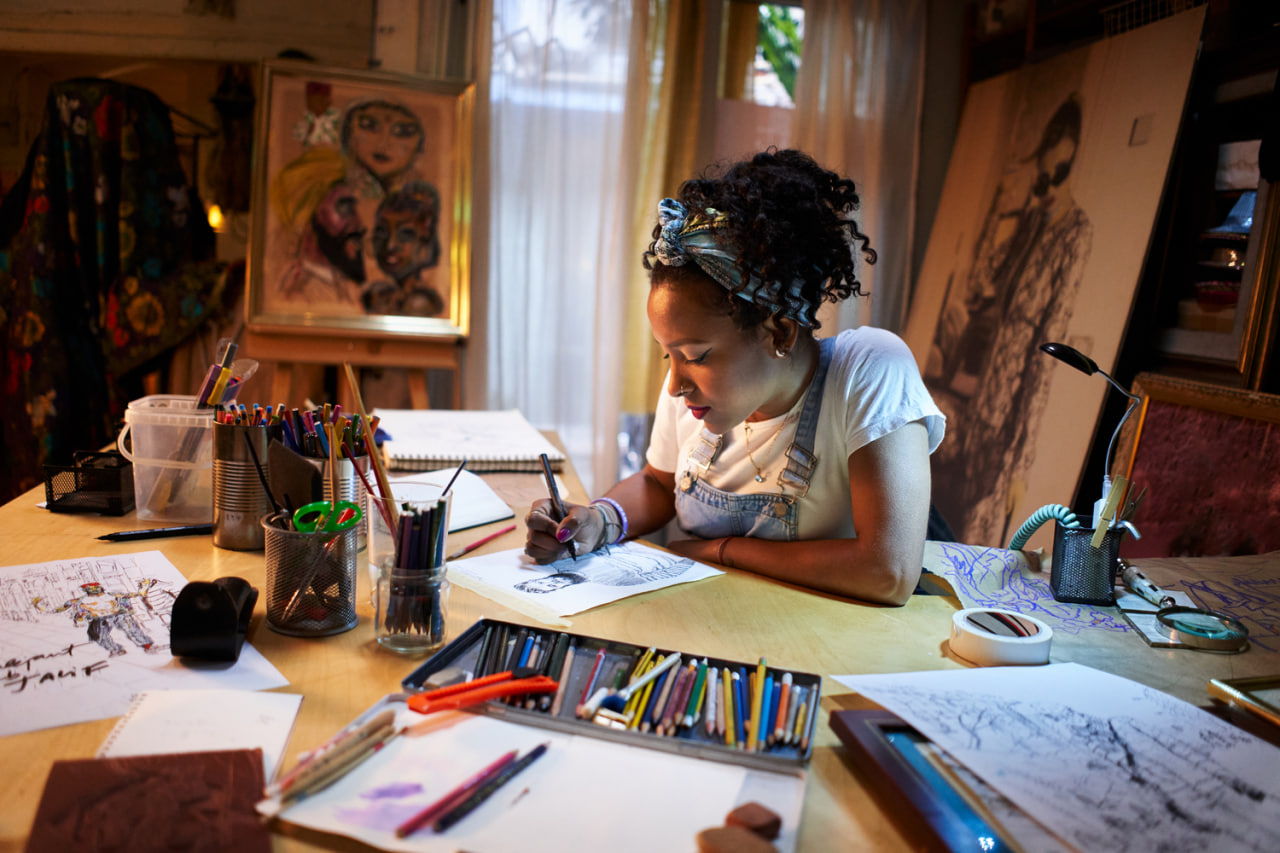
In comic creation, characters are the heart of every story. Well-designed characters capture the reader’s attention, convey personality, and make the narrative more engaging. A compelling character is memorable, visually distinct, and emotionally relatable. For comic artists, mastering character design is essential not only for storytelling but also for developing a recognizable style that resonates with audiences.
Creating a character involves more than appearance—it requires considering personality, backstory, and how the character moves and interacts within the comic world.
Character archetypes provide a foundation for designing compelling figures. Common archetypes include heroes, sidekicks, mentors, and villains. Understanding these roles helps guide visual choices and personality traits, ensuring each character serves the story effectively.
A strong silhouette makes a character instantly recognizable, even without details. Simple, distinct shapes communicate personality—rounded shapes often feel friendly, angular shapes suggest intensity, and asymmetry can add visual interest.
Understanding human or fantastical anatomy is crucial. Exaggerating proportions can emphasize traits—like broad shoulders for strength or large eyes for expressiveness—without compromising readability.
Wardrobe choices reflect personality, occupation, and background. Clothing should be consistent with the story’s setting and the character’s lifestyle. Accessories, hairstyles, and signature items add visual cues that make characters more memorable.
Facial expressions, body language, and posture convey emotions, attitude, and personality. Observing real people, animals, and even other artworks can help you create believable gestures and expressions.
Color is a powerful tool for defining characters. A well-chosen palette can highlight personality traits, set the mood, and differentiate characters from one another. For example:
Character design is an iterative process. Sketch multiple versions, experiment with proportions, poses, and outfits, and refine until the character feels cohesive and visually appealing. Iteration ensures the character works well in different panels and storytelling contexts.
Once a character is designed, consider how they interact with the environment, other characters, and the story itself. Consistency in design across panels, scenes, and issues ensures clarity and builds reader recognition. Characters should feel alive, capable of expressing emotions and actions naturally within the narrative.