
Donec efficitur, ligula ut lacinia
viverra, lorem lacus.
Donec efficitur, ligula ut lacinia
viverra, lorem lacus.

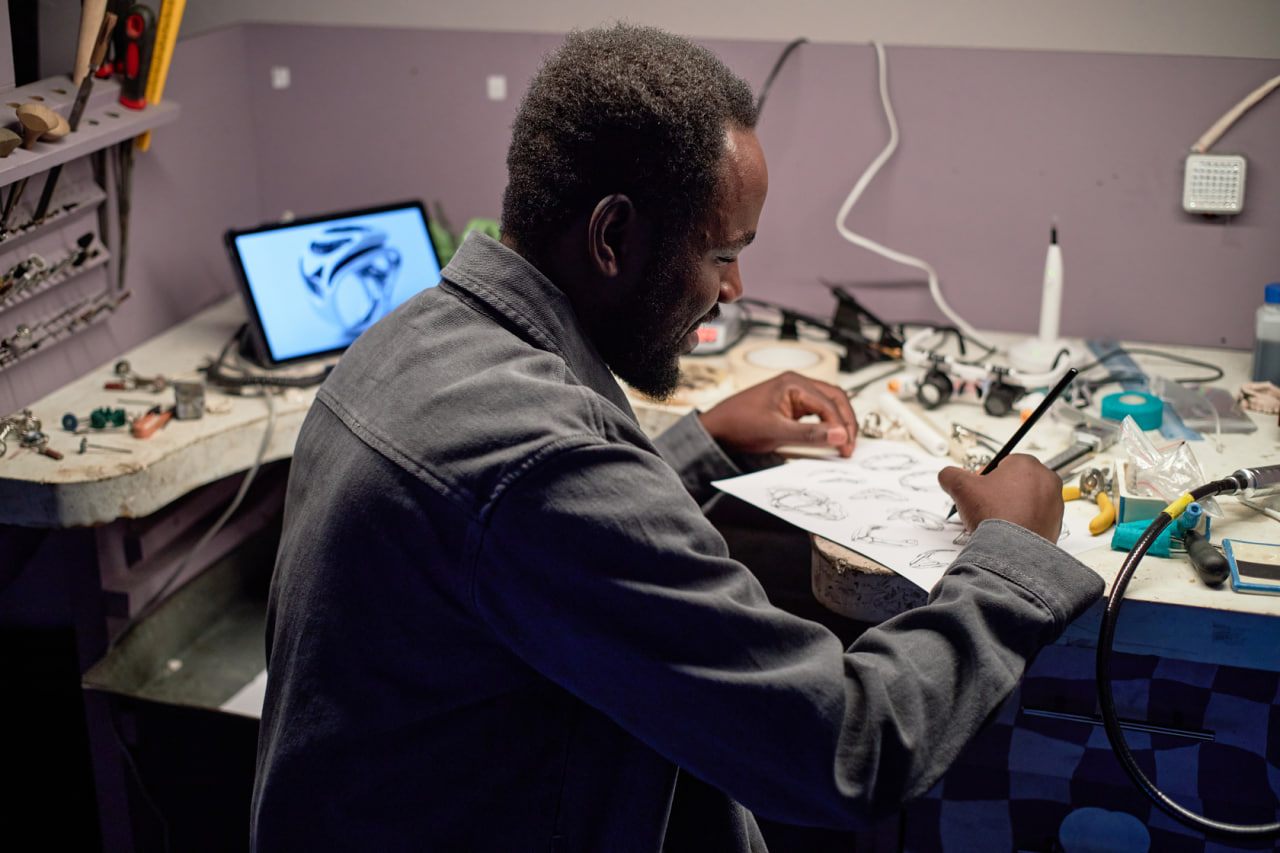
A comic portfolio is more than a collection of artwork—it is a professional showcase of your skills, creativity, and storytelling ability. Whether you are applying to art schools, seeking freelance opportunities, or simply documenting your growth as an artist, a well-organized portfolio communicates your vision and technical competence.
For comic creators, a portfolio should demonstrate proficiency in character design, paneling, pacing, dialogue integration, and overall narrative cohesion.
Concept sketches are the foundation of every comic portfolio. They reveal your thought process, creativity, and problem-solving skills. These preliminary drawings allow you to experiment with characters, settings, and story ideas before committing to final artwork.
Concept sketches give potential collaborators, instructors, or clients insight into your creative workflow and adaptability.
Storyboards and thumbnails help visualize the comic’s pacing, panel flow, and narrative structure. They are a bridge between rough sketches and fully rendered pages, ensuring that the story reads smoothly and communicates intended emotions.
Storyboards demonstrate your ability to think critically about storytelling and page design, which is crucial for professional comic work.
Finished pages are the polished representation of your skills. They combine clean linework, accurate perspective, coloring or inking, and integrated text. High-quality finished pages show your attention to detail and mastery of both artistic and narrative elements.
A strong finished page balances technical skill with creative expression, demonstrating your ability to deliver professional-quality work.
An organized portfolio highlights strengths and presents work logically. Consider grouping your content by theme, technique, or story type to create a coherent narrative. Include a mix of concept sketches, storyboards, and finished pages to show your workflow and range.
In the digital age, portfolios can be shared online, in print, or at conventions and exhibitions. A digital portfolio should include high-resolution images, easy navigation, and clear labeling. Physical portfolios can be professionally bound or presented in a clean folder with well-organized pages.
Sharing your portfolio with peers, mentors, or potential clients invites constructive feedback and opens opportunities for collaboration, commissions, and professional growth.
A comic portfolio is never truly finished—it evolves as your skills and style develop. Regularly updating your portfolio with new projects, refined work, and experimental pieces shows progression and commitment to your craft. Documenting your artistic journey reinforces your growth and dedication.